
How Does EMDR Therapy Work? | EMDR for Trauma & Anxiety in Calgary

Updated: Mar 6
If therapy offered a simple way to reset how our brains and bodies respond to stress, many of us would be grateful for it.
EMDR, which stands for Eye Movement Desensitization and Reprocessing, may look a little different from traditional talk therapy, but it is one of the most well-researched and effective approaches for treating trauma. But how does EMDR actually work — and why is it so effective for trauma, anxiety, and PTSD?
Many people notice a gap between what they know logically and what they feel in their body: “I know I’m safe, but my body still reacts as if I’m not.”
EMDR works by helping the brain and nervous system reprocess distressing experiences, so they no longer feel as overwhelming or intrusive in the present.
The Core Idea: Your Brain Didn’t Finish the Download
When something overwhelming or traumatic happens, your brain is supposed to process it, file it away, and move on.
But sometimes it doesn’t.
Instead of being stored as a regular memory (“That was awful, but it’s no longer happening to me”), the experience gets stuck in your nervous system — complete with the original fear, shame, panic, or helplessness.
So when something reminds you of it — even slightly — your brain reacts like it’s happening right now.
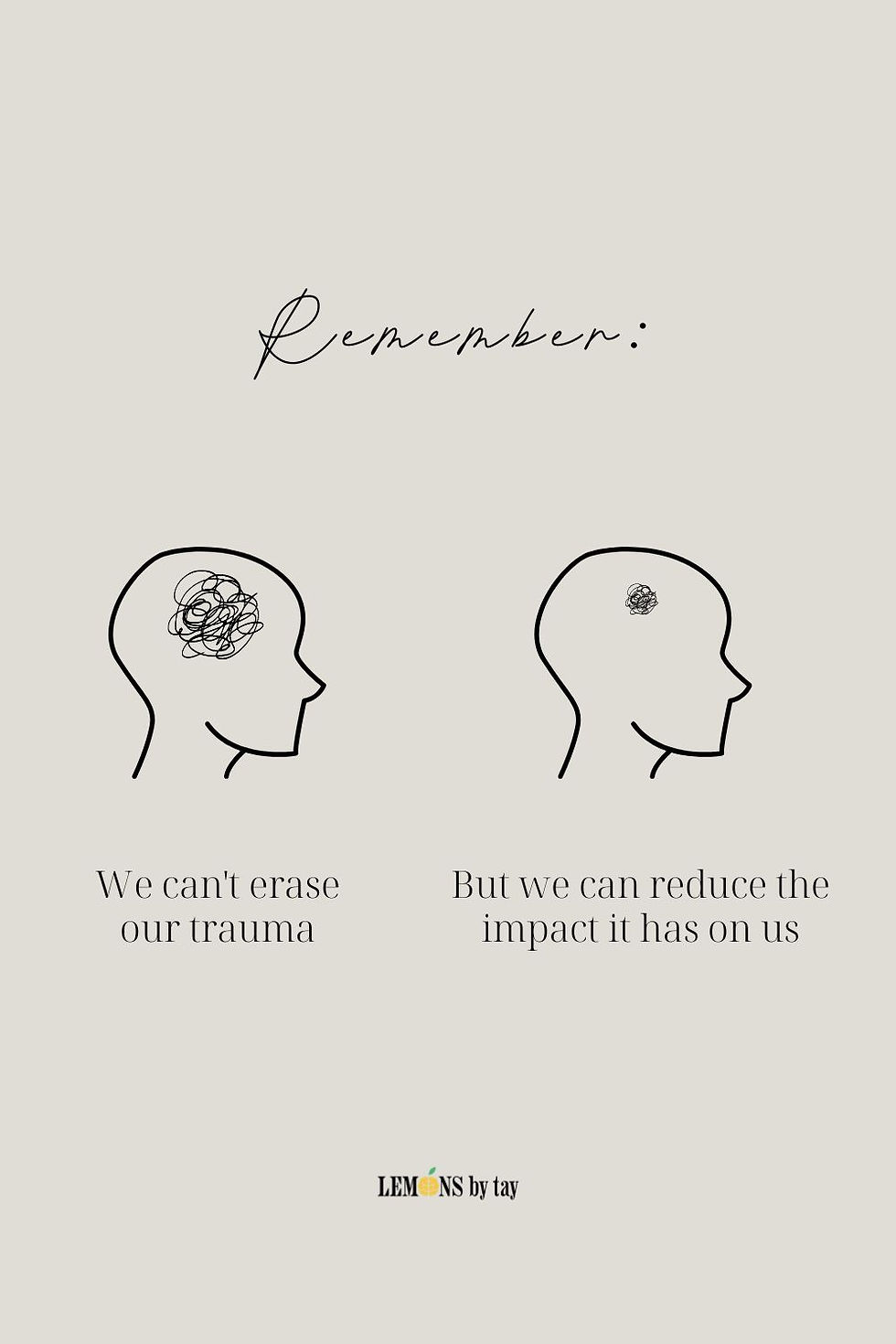
EMDR helps your brain finally finish processing that memory so it can be stored properly.
Not erased.
Not deleted.
Just… updated.
Why the Bilateral Stimulation?
The exact mechanism is still being studied, but here’s what we know:
• Bilateral stimulation seems to calm the amygdala (your brain’s alarm system).
• It reduces the emotional intensity of the memory.
• It helps different parts of the brain communicate more effectively.
• It allows new, adaptive beliefs to form.
So instead of:
“I’m not safe.”
You might genuinely start to feel:
“That happened. And I survived.”
Not as a mantra. As a felt truth.
What EMDR Is Especially Good For
EMDR is best known for treating PTSD, but it’s also used for:
• Childhood trauma
• Anxiety
• Panic attacks
• Phobias
• Performance anxiety
• Medical trauma
• Grief
• Relationship wounds
It was developed by psychologisT Francine Shapiro in the late 1980s and is now recognized worldwide, including by the World Health Organization as an effective treatment for trauma.
What It Feels Like
People often describe EMDR as:
• “Like my brain did something behind the scenes.”
• “The memory feels far away now.”
• “I can think about it without spiraling.”
You’re still in control the whole time. You can stop at any point. And a trained therapist guides you through each phase carefully — including preparation and grounding skills before any trauma processing starts.
⸻
Does It Make You Forget?
No.
EMDR doesn’t erase memories.
It changes how they’re stored.
You’ll still remember what happened — but it won’t feel like it’s happening again every time it crosses your mind.
That’s the biggest difference.
Why It Works When “Talking It Out” Didn’t
Talk therapy helps you understand your story.
EMDR helps your nervous system update it.
If you’ve ever said:
“I’ve talked about this a hundred times. Why does it still hurt?”
It may be because insight and nervous system processing are two different things.
EMDR works at the level where trauma actually lives — not just in thoughts, but in body memory.

EMDR Therapy in Calgary
If you’re in Calgary and struggling with trauma, PTSD, anxiety, or instrusive memories, EMDR may be a powerful option for healing.
Trauma doesn’t mean you’re broken — it means your nervous system needs support to process what happened.
If your past still feels louder than your present, EMDR might be worth exploring.
Because you don’t have to carry every version of yourself forever.
Take the first step here: schedule a complimentary consultation.
Comments